


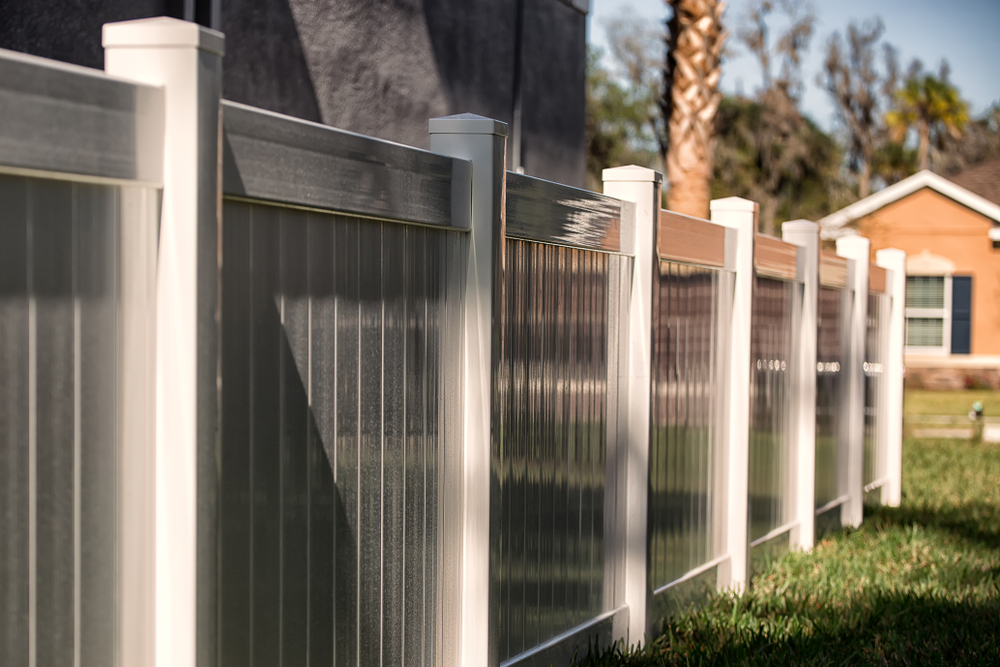
When it comes to choosing a fence for your property, homeowners often find themselves weighing the merits of two popular options: wood and vinyl. Both materials have been used for decades, and both offer distinct advantages and disadvantages. Understanding the differences between vinyl fence vs wood fence can help you make an informed decision that best suits your needs, budget, and lifestyle. Let’s explore the key factors that distinguish these two fencing materials.
Durability and Longevity
One of the most significant considerations when choosing between wood and vinyl fencing is how long each material will last. Wood fences typically require more maintenance to extend their lifespan, with most wood fences lasting between 15 to 20 years before needing replacement. However, with regular maintenance including staining, sealing, and repairs, some wood fences can last longer.
Vinyl fencing, on the other hand, is engineered to resist the elements and can last 20 to 30 years or even longer with minimal maintenance. Vinyl does not rot, warp, splinter, or deteriorate the way wood does. This extended lifespan makes vinyl fencing an attractive option for homeowners who want to install a fence once and enjoy it for decades without worrying about constant repairs and replacements.
The durability advantage of vinyl is particularly evident in areas with harsh weather conditions. Wood fences are susceptible to damage from excessive moisture, UV rays, insects, and temperature fluctuations. Vinyl remains stable under these conditions, maintaining its appearance and structural integrity year after year.
Maintenance Requirements
Maintaining a fence is an important factor that many homeowners overlook when making their initial purchase decision. Wood fences demand regular attention to keep them looking good and functioning properly. Homeowners must plan to stain or paint their wood fences every 2 to 3 years, apply sealant to protect against moisture, and repair any damaged boards, loose nails, or rotting sections as they appear.
Vinyl fencing requires significantly less maintenance. Most vinyl fences can be cleaned with a simple garden hose and mild soap, making them ideal for busy homeowners who don’t want to spend weekends on fence upkeep. There is no need for painting, staining, or sealing. This lower maintenance requirement translates to both time and money savings over the lifespan of the fence.
For homeowners living in areas with pollen, dust, or salt spray from nearby oceans, vinyl fencing is particularly advantageous. A quick rinse from a hose will restore the fence to like-new condition, whereas wood would require more intensive cleaning and potentially refinishing.
Cost Considerations
When evaluating vinyl fence vs wood fence options, initial cost is often a primary concern for homeowners. Wood fencing typically costs less upfront than vinyl fencing. Depending on quality and local market conditions, wood fences can be installed at a lower initial investment, making them appealing to budget-conscious homeowners.
However, the lower initial cost of wood fencing can be misleading when you factor in ongoing maintenance expenses. Over a 20 to 30 year period, the cumulative costs of staining, sealing, repairs, and eventual replacement can exceed the cost of installing a vinyl fence from the beginning. When calculating the true cost of ownership, many homeowners discover that vinyl is actually the more economical choice in the long run.
Vinyl fencing requires almost no maintenance expenses after installation. This means your total cost of ownership remains relatively stable, making it easier to budget. Additionally, vinyl fences can increase your property value and appeal to potential buyers if you ever decide to sell, potentially offsetting your initial investment.
Aesthetic Appeal and Customization
Wood fencing has long been favored for its natural, classic appearance. Wood offers warmth and character that many homeowners find appealing. It can be stained in various colors to match your home’s exterior or painted to create a specific look. The natural grain of wood provides a timeless quality that some people prefer for its aesthetic value.
Vinyl fencing has evolved significantly over the years and now comes in numerous styles, colors, and finishes that can mimic the appearance of natural wood. Modern vinyl fencing can look remarkably similar to traditional wood, offering the classic aesthetic without the maintenance burden. You can choose from white, gray, brown, and other earth tones to complement your home and landscape design.
Both materials can be customized with different panel heights, picket styles, and decorative elements to match your property’s character. The choice between them often comes down to personal preference regarding aesthetics versus practicality. If you love the natural look of wood but want minimal maintenance, premium vinyl options that closely resemble wood might be the perfect compromise.
Is Vinyl Fencing Better than Wood?
The question “Is vinyl fencing better than wood?” doesn’t have a simple yes or no answer because it depends on your individual priorities and circumstances. Vinyl fencing is better for homeowners who value low maintenance, longevity, and consistent appearance over time. It’s ideal if you live in a climate with harsh weather conditions, if you have limited time for home maintenance, or if you plan to stay in your home for many years.
Wood fencing is better if you prefer the natural aesthetic of wood, want lower upfront costs, enjoy outdoor projects and maintenance work, or plan to sell your home in the near future. Wood has an established place in traditional architecture and landscaping, and many homeowners simply love the look and feel of a classic wood fence.
Consider your lifestyle, climate, budget for maintenance, aesthetic preferences, and long-term plans for your property. If you value convenience and durability, vinyl offers superior performance. If you appreciate the natural look of wood and are willing to invest time in maintenance, wood remains a viable option. Many factors should influence your decision, and what works best depends on your specific situation.
Conclusion
Both wood and vinyl fencing have their merits, and choosing between them requires careful consideration of your needs and priorities. Wood offers natural beauty and lower initial costs but demands regular maintenance and has a shorter lifespan. Vinyl provides exceptional durability, minimal maintenance requirements, and long-term cost savings, though it comes with higher upfront expenses. By understanding these differences, you can confidently select the fencing material that best aligns with your home, lifestyle, and budget.
Need Vinyl Professionals in Santa Clarita, CA?
Established in 2006, Vinyl Professionals, Inc. is a vinyl fencing supplier located in Valencia, California and providing service to the surrounding areas. We specialize in only vinyl structures — since no two properties are symmetrical, we custom-fabricate any and every project that leaves our shop worldwide according to the customer’s needs and priorities. We fabricate all our orders in our factory with experienced fabricators. In our fabrication shop you will find a state of the art computerized routing machine to ensure precise and clean cut outs for rail lock-ins, no brackets nor screws are used on the exterior of our fencing every rail post and plank interlock into one another and combine as one. Give us a call today!