


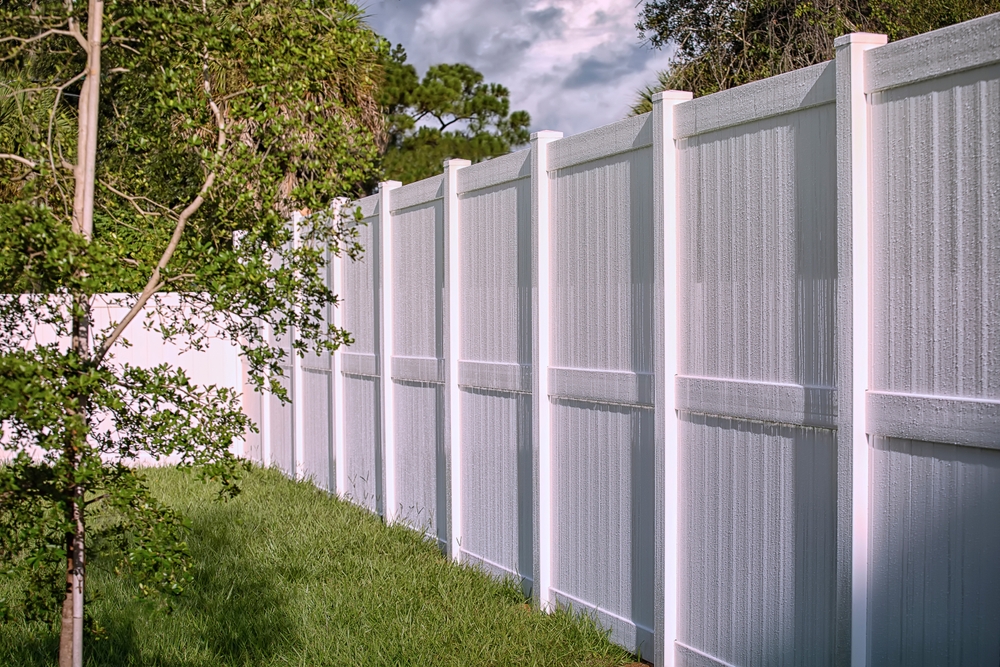
Imagine walking into your backyard and noticing that the fence separating your property from your neighbor’s has started leaning. Maybe several panels are damaged, the posts have become unstable, or the entire fence has seen better days. You know something needs to be done, but there’s one question that can make the situation uncomfortable: Who’s supposed to pay for the repairs or replacement? For homeowners and business owners in Valencia, CA, understanding California’s Good Neighbor Fence Law can help answer that question before a simple home improvement project turns into a neighborhood disagreement.
Shared fences are common throughout Valencia and the Santa Clarita Valley, where neighboring properties often rely on the same boundary fencing for privacy, security, and separation. Fortunately, California law provides guidance on how adjoining property owners should handle the reasonable costs of maintaining and replacing these structures.
Under California Civil Code Section 841, often called the Good Neighbor Fence Law:
-
Neighbors generally share responsibility: Adjoining property owners are presumed to benefit equally from a fence dividing their properties.
-
Costs are usually split equally: The law establishes a presumption that neighbors share reasonable construction, maintenance, and necessary replacement expenses.
-
Written notice is required: A property owner planning qualifying fence work must provide affected neighbors with at least 30 days’ written notice.
-
Exceptions are possible: Equal cost-sharing may not be appropriate when the financial burden, benefits, or proposed improvements make the arrangement unfair.
-
Communication matters: Discussing materials, design preferences, estimates, and timelines can help prevent disagreements.
At Vinyl Professionals, Inc., we’ve been helping homeowners and businesses throughout Valencia, Santa Clarita, and surrounding communities create attractive, durable vinyl fencing since 2006. As a family-owned and operated company, we understand that replacing a shared fence involves more than selecting new panels. It’s also about planning carefully, respecting property boundaries, and finding a solution that works for the people on both sides.
What Is California’s Good Neighbor Fence Law?
California’s Good Neighbor Fence Law establishes a presumption that adjoining property owners benefit equally from a fence separating their properties and should share its reasonable construction, maintenance, and necessary replacement costs. The law is found in California Civil Code Section 841 and provides a framework for resolving common boundary fence expenses.
Understanding the 50/50 Cost-Sharing Presumption
Under Civil Code Section 841, adjoining landowners are presumed to share equal responsibility for the reasonable costs of a fence dividing their properties unless they establish a different arrangement in writing or the presumption is successfully challenged.
For example, suppose 2 homeowners in Valencia share a deteriorating backyard fence.
If replacing that fence is reasonably necessary and the total agreed project cost is $6,000, an equal division would ordinarily mean each homeowner contributes $3,000.
However, this is an illustration, not a guaranteed legal outcome.
The actual allocation depends on the circumstances, the reasonableness of the work, any written agreement, and whether an exception applies.
Does the Law Apply to Both New and Existing Fences?
The statute addresses the reasonable costs of constructing, maintaining, and necessarily replacing fences dividing adjoining properties.
That means the Good Neighbor Fence Law isn’t limited to situations where an old fence is falling apart.
However, a proposal to construct a new fence, replace an existing one, or upgrade to a more elaborate design may raise different questions about necessity and fairness.
An owner who wants a premium decorative installation shouldn’t automatically assume their neighbor must pay half of every requested upgrade.
What Counts as a Shared Fence?
A shared fence generally refers to fencing that divides adjoining properties.
However, the exact location of the fence matters.
A fence located entirely within one owner’s property may present different legal considerations than a structure separating 2 parcels along their common boundary.
If the property line is uncertain, reviewing available records or obtaining a professional boundary survey may help clarify the situation.
For property owners in Valencia, Stevenson Ranch, Saugus, and nearby communities, confirming the fence location is especially important before making substantial improvements.
What Notice Must You Give Before Replacing a Shared Fence?
California law requires a property owner who intends to incur qualifying shared fence costs to provide each affected adjoining owner with at least 30 days’ prior written notice. The notice must describe the problem, proposed work, estimated costs, cost-sharing approach, and proposed timeline.
What Should Your Written Notice Include?
California Civil Code Section 841 specifies several important elements.
Your notice should include:
-
The shared fence problem: Explain whether the fence is damaged, deteriorating, unstable, or otherwise requires attention.
-
The proposed solution: Describe the repair, maintenance, or replacement work you’re recommending.
-
Estimated costs: Provide an estimate of the anticipated project expenses.
-
Proposed cost-sharing arrangement: Explain how you believe the costs should be divided.
-
Project timeline: Identify when the work is expected to begin and how the issue will be addressed.
-
Notification of the legal presumption: State that adjoining owners are presumed equally responsible for reasonable shared fence expenses under California law.
Providing this information in writing helps create a clear record and gives your neighbor an opportunity to review the proposal before work begins.
Talk With Your Neighbor Before Sending the Notice
Although formal written notice is important, an informal conversation can be a helpful starting point.
Your neighbor might already have concerns about the fence, or they may have preferences about its height, style, and replacement timing.
For example, one homeowner may prefer a solid privacy fence, while the other wants a design that allows more light into the yard.
Discussing these issues before obtaining final estimates can make the project easier to coordinate.
However, an informal conversation doesn’t replace the statutory written notice requirement.
Does Sending Notice Mean Your Neighbor Has Agreed to Pay?
No, providing the required notice doesn’t automatically establish that your neighbor has accepted the proposed expenses.
The notice communicates your intentions and the basis for the proposed cost-sharing arrangement.
A neighbor may disagree about the necessity of the work, the estimated price, or whether an equal division would be fair.
For this reason, obtaining written agreement on the project details before construction begins is often a practical precaution.
When Might Neighbors Not Have to Split Fence Costs Equally?
Neighbors may not have to divide shared fence costs equally when evidence demonstrates that an equal contribution would be unjust. California Civil Code Section 841 identifies several factors courts may consider when deciding whether the normal 50/50 presumption should be reduced or eliminated.
One Neighbor Would Receive Much Greater Benefits
A fence may benefit neighboring properties differently depending on its location, intended purpose, and circumstances.
For example, a particular design might primarily serve one owner’s landscaping or architectural preferences.
If the proposed expense is substantially disproportionate to the benefit received by the other owner, that imbalance may be relevant to a dispute over cost-sharing.
The Proposed Fence Is Unnecessarily Expensive
Suppose a basic replacement would adequately restore a damaged boundary fence.
If one neighbor insists on a significantly more elaborate installation, the additional expense may raise questions about what constitutes a reasonable shared cost.
The statute specifically considers whether project expenses are unnecessary, excessive, or driven by one owner’s personal aesthetic or architectural preferences.
This doesn’t mean neighbors cannot agree to install upgraded fencing.
It simply means the added cost shouldn’t automatically be treated as an equal obligation when the parties haven’t agreed to it.
Equal Payment Would Create Financial Hardship
The law also allows consideration of whether an equal contribution would impose undue financial hardship on one landowner.
A court may evaluate that person’s financial circumstances using reasonable supporting evidence.
Financial hardship doesn’t automatically eliminate responsibility, but it can be relevant when determining whether equal cost-sharing would be unjust.
The Cost Is Disproportionate to Property Value
Another consideration is whether the fence expense would exceed the increase in the property’s value resulting from its installation.
This may become relevant when a proposed project is unusually costly compared with the benefits it provides.
Other Circumstances Affect Fairness
Courts may also consider other equitable factors appropriate to the situation.
If the presumption of equal responsibility is overcome, a court may order a smaller contribution or no contribution from one neighbor.
For Valencia property owners, the key takeaway is that a 50/50 split is the starting presumption, not an unconditional requirement in every case.
What Should Valencia Property Owners Do Before Replacing a Shared Fence?
Before replacing a shared fence, Valencia property owners should document its condition, verify the boundary, review applicable local requirements, obtain a detailed estimate, and communicate with affected neighbors. These steps can help prevent misunderstandings while making the project easier to plan.
Inspect and Document the Existing Fence
Start by identifying why the fence needs attention.
Look for leaning sections, deteriorating posts, broken panels, loose connections, or other visible damage.
Taking photographs and keeping relevant maintenance records can help explain why repairs or replacement are being considered.
If the fence is unstable or presents an immediate safety concern, avoid disturbing it until the situation can be evaluated appropriately.
Confirm Local Fence Regulations
Even when neighbors agree on paying for a fence, the design must satisfy applicable local requirements.
For properties within the City of Santa Clarita, zoning rules generally allow fences up to 6 feet high along interior side and rear lot lines, subject to applicable provisions and exceptions.
Different restrictions can apply near streets, driveways, and other locations.
Certain projects may also require permits or other approvals.
Homeowners’ associations may impose additional design and material requirements, especially in planned communities throughout Valencia.
Before replacing a shared fence, verify the rules affecting your particular property rather than assuming every neighborhood follows identical standards.
Obtain a Detailed Fence Installation Estimate
A written estimate helps both property owners understand the proposed investment.
Ideally, it should identify the fence material, approximate dimensions, style, demolition or removal requirements, installation work, and other relevant expenses.
This information can make it easier to distinguish necessary replacement costs from optional upgrades.
At Vinyl Professionals, Inc., we custom-fabricate vinyl fencing to match individual property requirements.
Our options include privacy fencing, picket fencing, and decorative designs, allowing homeowners to consider styles suited to their needs and applicable property restrictions.
Agree on Important Details in Writing
Before scheduling installation, neighbors should discuss the chosen design, project scope, payment responsibilities, and expected schedule.
A written agreement can help document the arrangement and reduce the risk of later disagreements.
If there’s a significant dispute over ownership, legal responsibility, or the proposed cost division, consulting a qualified California real estate attorney may be appropriate.
Why Consider Vinyl When Replacing a Shared Property Line Fence?
Vinyl fencing can be an appealing option for shared property boundaries because it offers privacy, design flexibility, and relatively low routine maintenance. For homeowners and businesses in Valencia, these characteristics may make vinyl worth discussing when an existing fence needs replacement.
Less Routine Upkeep Than Some Traditional Materials
Vinyl fencing generally doesn’t require the regular painting or staining associated with many wood fences.
Cleaning typically involves appropriate washing methods and attention to any accumulated dirt or debris.
However, vinyl isn’t maintenance-free.
Panels, posts, and connections should still be inspected periodically, and damage should be addressed when necessary.
Privacy and Appearance for Both Properties
Shared fences are visible from both sides, making appearance an important consideration.
Vinyl fencing comes in a variety of styles and colors, including full-privacy designs and decorative options.
For neighbors who want a clean, coordinated boundary, choosing a mutually acceptable design can be an important part of the project.
Custom Fabrication for Existing Property Layouts
Not every property has a perfectly level yard or straightforward fence line.
Valencia’s varied terrain and residential layouts can create installation challenges involving slopes, corners, and changes in elevation.
At Vinyl Professionals, Inc., we custom-fabricate our fencing using precision equipment and install it with our experienced in-house team.
Our goal is to create fencing that fits the property’s layout while meeting the customer’s functional and visual preferences.
Local Fencing Experience Since 2006
We’ve been serving Valencia and the greater Santa Clarita Valley since 2006.
Our family-owned company provides custom vinyl fencing, gates, and other outdoor installations for residential and commercial properties.
Whether you’re replacing a deteriorating neighbor fence or planning a new property boundary, we can help you explore material and design options once the necessary property decisions have been made.
Frequently Asked Questions About California’s Good Neighbor Fence Law
Do neighbors have to split the cost of a fence in California?
California Civil Code Section 841 establishes a presumption that adjoining property owners share equally in the reasonable costs of constructing, maintaining, or necessarily replacing a fence dividing their properties. However, written agreements and circumstances making an equal division unjust can affect the final responsibility.
How much notice must I give my neighbor before replacing a shared fence?
The Good Neighbor Fence Law requires at least 30 days’ prior written notice to each affected adjoining landowner when proposing qualifying fence work. The notice must include the problem, proposed solution, estimated costs, proposed division of expenses, and anticipated timeline, along with the statutory cost-sharing presumption.
Can my neighbor refuse to pay for a shared fence?
A neighbor can dispute the proposed expense or argue that equal responsibility would be unjust, but disagreement alone doesn’t necessarily eliminate the legal presumption. Whether payment is required depends on the facts, the reasonableness of the project, any written agreement, and applicable legal procedures.
What if I want a more expensive fence than my neighbor does?
If you prefer a premium fence design, your neighbor may not necessarily be responsible for half of the additional expense. California law considers whether costs are excessive or primarily reflect one owner’s aesthetic preferences, so discussing upgrades and documenting any agreement is important.
Does California’s Good Neighbor Fence Law apply to commercial properties?
Civil Code Section 841 generally applies to qualifying adjoining private landowners and isn’t limited to single-family homeowners. However, commercial property circumstances, ownership arrangements, leases, and other legal considerations may affect responsibility, making professional advice appropriate when the situation is complicated.
Can I replace a shared fence without my neighbor’s permission?
You shouldn’t assume that providing notice automatically authorizes every aspect of the proposed work. Property rights, boundary location, agreements, and applicable regulations may affect what can be done, so resolving disputes and obtaining appropriate permissions before construction is advisable.
What if the fence is entirely on my property?
A fence located entirely within one parcel may raise different responsibility questions from a fence dividing adjoining properties. Confirming the legal boundary is important, and a professional survey or legal advice may be necessary if the fence location or ownership is disputed.
Does Vinyl Professionals, Inc. install replacement fences in Valencia, CA?
Yes, we provide custom vinyl fencing and installation services throughout Valencia, Santa Clarita, Saugus, Stevenson Ranch, and nearby communities. Our team can help you explore privacy and decorative fencing options and develop an installation plan that fits your property.
Make Shared Fence Replacement Easier With Vinyl Professionals, Inc.
Replacing a shared fence doesn’t have to become a frustrating disagreement between neighbors. By understanding California’s Good Neighbor Fence Law, communicating openly, and documenting the proposed project, property owners can approach fence repairs and replacement with clearer expectations. The law generally presumes that neighbors share reasonable costs equally, but it also recognizes that some circumstances call for a different arrangement. Taking time to confirm the property boundary, review local rules, and choose an appropriate design can help make the process smoother for everyone involved.
At Vinyl Professionals, Inc., we’re proud to help homeowners and businesses throughout Valencia, Santa Clarita, Saugus, Stevenson Ranch, and surrounding communities improve their properties with custom vinyl fencing. Since 2006, our family-owned company has combined precision fabrication, experienced installation, and personalized service to create fencing solutions designed around each property. Whether you’re replacing an aging boundary fence or exploring a more attractive privacy design, our team can help you understand your installation options and prepare a project estimate.
Ready to Replace Your Shared Fence in Valencia?
When you and your neighbor are considering a fence replacement, having a clear understanding of materials, designs, and estimated costs can make planning easier. We can help you explore custom vinyl fencing options suited to your property and preferences. Call Vinyl Professionals, Inc. at (661) 702-1347 today to discuss your shared fence replacement or request an estimate for vinyl fencing in Valencia, CA!